
Planning an exterior repaint in the Lowcountry
An exterior repaint is decided long before the color goes on. This guide covers the inventory, the prep, the rules that apply to older Charleston homes and the lines that make two estimates comparable.
- Sources linked
- Estimate comparison table
- 9 minute read
Planning an exterior repaint in the Lowcountry goes better when you do the unglamorous part first. Walk the house, write down what is peeling, find out whether the house was built before 1978, and learn what your street or association expects before you fall for a color.
Below is the order we use when someone calls us, with the manufacturer and government sources behind each step. It works whether you hire us or anyone else, because the point is to arrive at an estimate with the right questions already answered.
Key takeaways
- List every surface you want painted, side by side, before anyone visits. Estimates only compare when they price the same list.
- A surface is ready for paint when it is clean, solid and dry. Peeling is a moisture symptom, so find the source before you repaint.
- If the house was built before 1978, federal rules apply to a paid painter. Ask to see the lead-safe certification.
- Inside Charleston’s historic districts there is no approved palette. Paint is usually a staff-level review, but some buildings go to the full Board.
- Write the color, product, sheen and prep steps for each surface into the estimate so the finish record exists after the job.
Start with a surface-by-surface inventory
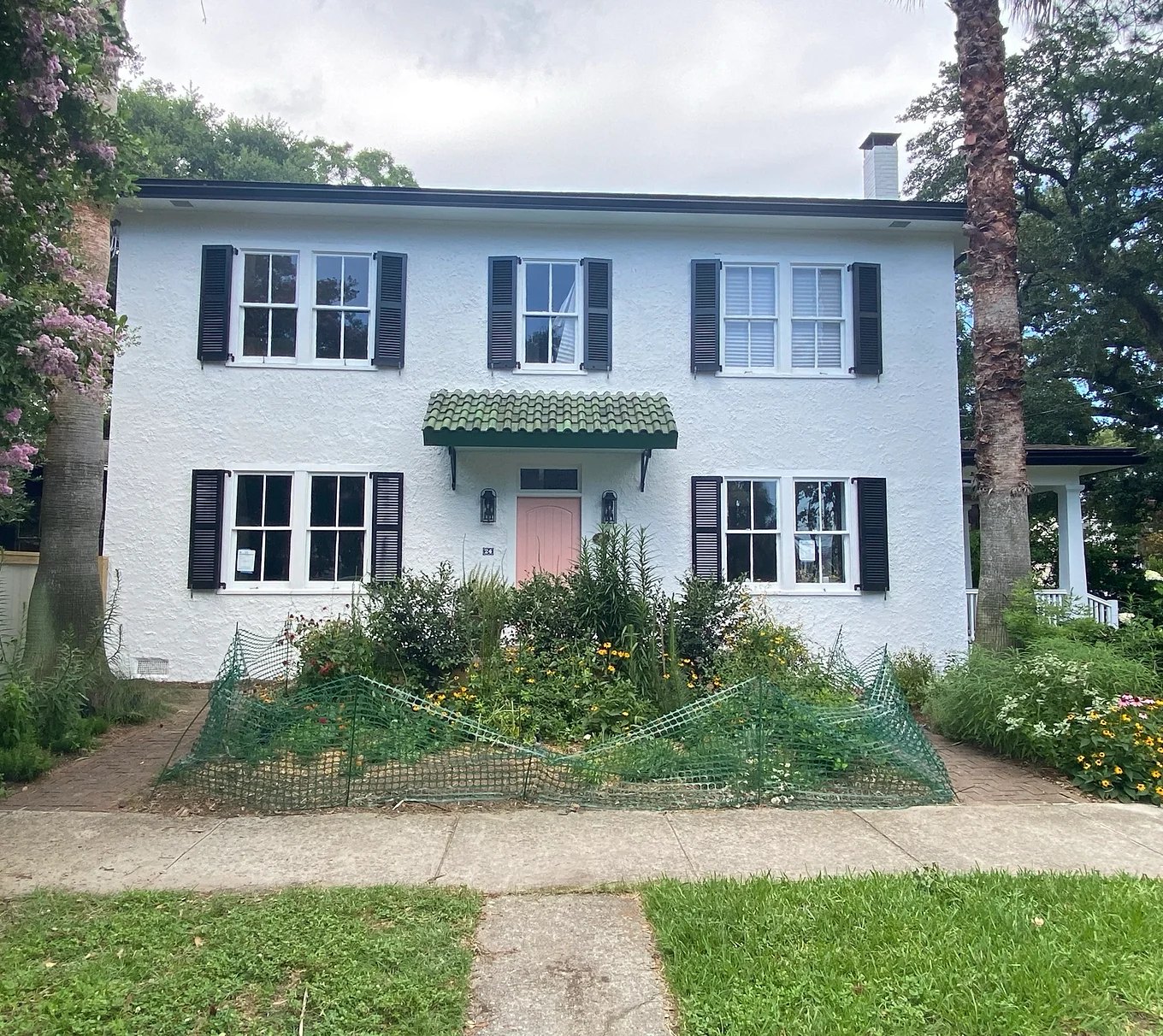
Walk the house and list what you want included: siding, trim, fascia, doors, shutters, railings and porch ceilings. Take one wide photograph of each side, then closer shots of anything you want assessed, such as a weathered sill or a soft corner board. Mark what is staying as it is. A list is useful even when you do not know the material or the earlier paint. Saying “not sure” is better than letting an estimate rest on a guess.
Two things are worth noting on that list. First, the year the house was built, because it changes the rules (more on that below). Second, anything that holds water: a gutter that overflows onto a wall, a shrub against the siding, a porch floor that drains toward the house. They matter for the next step.
What good prep looks like
Sherwin-Williams says a properly prepared surface is clean, solid and dry. In practice that means washing off dirt and mildew and rinsing well, scraping and sanding peeled or checked paint back to a sound edge, and sanding glossy surfaces dull so the new coat has something to grip. Benjamin Moore uses a short version, clean, dry, dull, and adds that bare wood should read below 15 percent moisture before it is painted.
Repairs come next. Open joints around windows and doors are caulked, bare or stained spots are primed, and rotten wood is replaced instead of covered over. Our soft washing versus pressure washing guide covers the cleaning step in more detail, including why more pressure is not better on old siding.
Peeling paint is a moisture clue
Sherwin-Williams explains that peeling happens when a dry painted surface gets wet and swells, which loosens the paint film until it cracks and lifts. It does not recommend painting over cracked or peeling paint, because the texture shows through and the cracking can return. Benjamin Moore says the same thing from the other direction: if paint is peeling, find the cause and correct it before you recoat.
Sherwin-Williams lists the usual ways water gets in. They include worn or missing caulk at joints, corners and openings, clogged gutters, leaks from the roof or inside the house, and siding that sits too close to the ground. Fixing the source is a different trade from painting, and it is better to have it on the table before anyone prices the topcoat.
Houses built before 1978
This is the part that catches homeowners out. The U.S. EPA’s Renovation, Repair and Painting rule says anyone paid to disturb paint in housing built before 1978 must be certified, and painting preparation is one of the covered activities. Small jobs are exempt: six square feet or less per room inside, or 20 square feet or less on the exterior. A full repaint is well past that.
The EPA’s homeowner pamphlet tells you to ask to see your contractor’s certification, and the agency lists a way to verify it. Two practices are off limits on pre-1978 homes: open-flame burning of paint, and power sanding without a shrouded tool and HEPA vacuum. The City of Charleston’s own guidelines note that homes built before 1978 likely have lead paint, and they separately bar disc sanding, sandblasting and open flame for paint removal in the historic districts.
Color, approvals and the historic districts
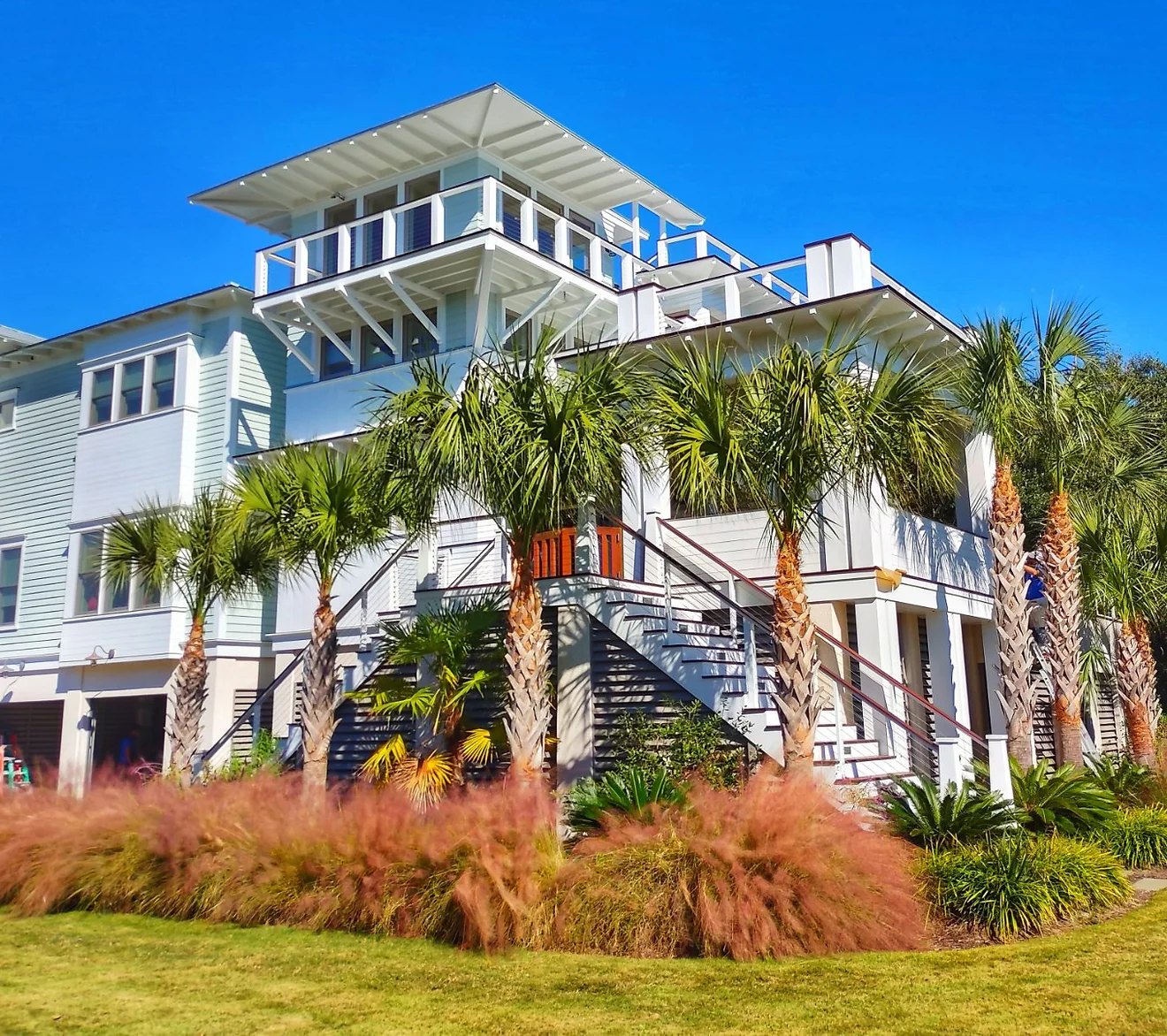
Choose colors with the parts that are staying in view, such as the roof and any brick or stone. Look at samples outside, and judge body, trim and accent together rather than one chip at a time. A dark body color can be striking, but whether it suits the house also depends on the material and the coating system, so bring your preferred look to the estimate and let the surface inform the choice.
Inside Charleston’s historic districts, color is reviewed. The City says most minor alterations such as painting are typically reviewed by staff and do not need full Board review. There is no approved palette of colors, and approval is given case by case. Category 1 and 2 buildings must go before the Board for a color change. Our haint blue and Charleston green guide walks through those rules and the Mount Pleasant equivalent. If you live in a planned community, check its own design rules at the same stage.
Comparing estimates on equal terms
An estimate that includes all the trim is a different job from one that prices only the body of the house. Lay your quotes side by side and check them line by line. The simplest test we know is to ask each painter this question: if we walked the property after completion, which specific items would we check against this estimate? The answer shows the gaps faster than a total does.
| Line to compare | What to ask | Why it matters |
|---|---|---|
| Surfaces included | Which sides, trim, doors, shutters and porch ceilings are in? | A lower total often means a shorter list |
| Preparation | Washing, scraping, sanding, caulking and priming: which are named? | Prep is where most failures start |
| Repairs | What happens to rot, loose boards or water sources? | Painting over a problem does not fix it |
| Product and sheen | Which product and sheen go on each surface? | So you can check the finish afterward |
| Older homes | Is the firm lead-safe certified for a pre-1978 house? | It is a federal requirement |
| Access and cleanup | Gates, parking, landscaping, daily cleanup? | Avoids disputes about who protects the shrubs |
Our guide to house painting cost in Charleston goes further into how scopes drive the price and why a total on its own tells you little.
Plan access and weather talk
Mention narrow side yards, gates, vehicles and any outdoor spaces you need to keep using. Agree where the crew will work and what you should move before they arrive. Product instructions govern application, not the calendar. Sherwin-Williams advises against painting right after rain, in fog, or below 50 degrees Fahrenheit unless the product is made for it, so build in the chance that weather will move the order of work. Our guide to the best time to paint in Charleston has more on that.
Cleanliness matters here too. One client, Andy N, described what he looks for in a painter this way: “Work areas are kept very clean.” We ask about access and protection at the first visit for that reason, and Greg Bores writes the plan into the scope himself. If you want to start that conversation, you can request a free quote and we will come out to the house.
How long should a repaint last?
We cannot give you a single number, and we would be wary of anyone who does. We found no manufacturer or federal source that states a service life for an exterior paint job. The nearest published benchmark is from Consumer Reports, which says paints it recommends resist cracking, fading, dirt and mildew for nine years or more, based on a three-year accelerated rooftop weathering test in Yonkers, New York. That is a product result, not a promise for a particular house, and it was not run in Lowcountry humidity. Prep, moisture and sun exposure on each wall decide the real answer.
Make the final walkthrough useful
Bring the agreed surface list to the completion review. Look at the work in normal daylight and collect your questions in one place. Keep the color and product record for each surface, and ask about care and any planned follow-up. If deck staining or another service is part of the project, confirm which surfaces belong to which scope so that the handover covers everything you accepted.
Questions
How do you prepare the exterior of a house for painting?
Sherwin-Williams says the surface must be clean, solid and dry. That means washing, scraping and sanding peeled paint to a sound edge, and sanding glossy areas dull. Benjamin Moore adds that wood should be below 15 percent moisture, and that cracks and gaps get caulked and bare spots primed.
How long does an exterior paint job last?
No manufacturer or government source we read gives a service life. Consumer Reports says the paints it recommends resist cracking, fading, dirt and mildew for nine years or more in a three-year accelerated rooftop test in New York. Real results depend on prep, moisture and sun exposure.
Do I need to prepare differently for a house built before 1978?
Yes. EPA rules require a paid painter working on a house built before 1978 to be lead-safe certified. Exterior jobs over 20 square feet are covered. Open-flame burning and power sanding without a HEPA-shrouded tool are prohibited, and you can ask to see the certification.
Should I paint or repair first when I see peeling paint?
Repair first. Sherwin-Williams does not recommend painting over peeling paint, and both it and Benjamin Moore say to find and fix the moisture source before recoating. Common sources are missing caulk, clogged gutters, roof leaks and siding too close to the ground.
What should an exterior painting estimate include?
It should list the surfaces, the prep steps, repairs and what happens to rot, the product and sheen for each surface, access and cleanup, and the lead-safe status for a pre-1978 house. In Charleston’s historic districts it should also say who handles the color review.
Do I need approval to change my exterior color in Charleston?
Inside the historic districts, yes, color is reviewed. The City says painting is typically handled by staff without a full Board hearing, there is no approved palette, and Category 1 and 2 buildings go before the Board. Check current requirements with the City first.
Sources
- Sherwin-Williams: preparing exterior surfaces
- Sherwin-Williams: how to fix exterior paint peeling
- Benjamin Moore: how to paint your home exterior
- US EPA: Renovation, Repair and Painting Program for contractors
- US EPA: Renovate Right pamphlet
- City of Charleston: Board of Architectural Review
- City of Charleston: BAR General Guidelines booklet (2024)
- Consumer Reports: best exterior paints from our tests
Sources were read on 5 November 2026. Product instructions and the actual surface control the work; this guide is planning advice, not a specification.
01 / Keep reading
More from the notebook.
Posts and guides for Lowcountry homeowners.

Free painting quotes in Charleston and Mount PleasantTell us about the house.
A conversation, a free onsite estimate and a scope in writing. No pressure to decide on the spot.
843.998.1649 info@palmettopaintingcontractors.com