
How to choose an interior paint finish
The right finish helps a room feel right in everyday life. Before choosing between matte, eggshell or satin, consider the light, the surface and how you use the space. This guide helps you arrive at an estimate with useful questions and a manageable shortlist.
- Six chapters
- Planning checklist
- About a five-minute read
The right finish helps a room feel right in everyday life. Before choosing between matte, eggshell or satin, consider the light, the surface and how you use the space. This guide helps you arrive at an estimate with useful questions and a manageable shortlist.
Start with the room, not the name on the tin
Write down how the room is used and what you notice about the walls today. A hallway that is touched often, a quiet bedroom and a ceiling viewed in angled light raise different questions. Think about cleaning, visible surface imperfections and how much reflected light you want. You are choosing a complete product and finish combination, not simply a sheen word that performs identically across every manufacturer.
Understand the broad differences
Sheen describes how much light a finish reflects. Lower-sheen choices tend to give a quieter appearance, while glossier finishes catch more light. Benjamin Moore’s finish guide describes a range from flat and matte through eggshell, satin and semi-gloss. Those categories help you start a conversation, but compare the actual product recommended for your room before deciding. There is no need to give every surface in the house the same finish.
Look at the walls, trim and ceiling together
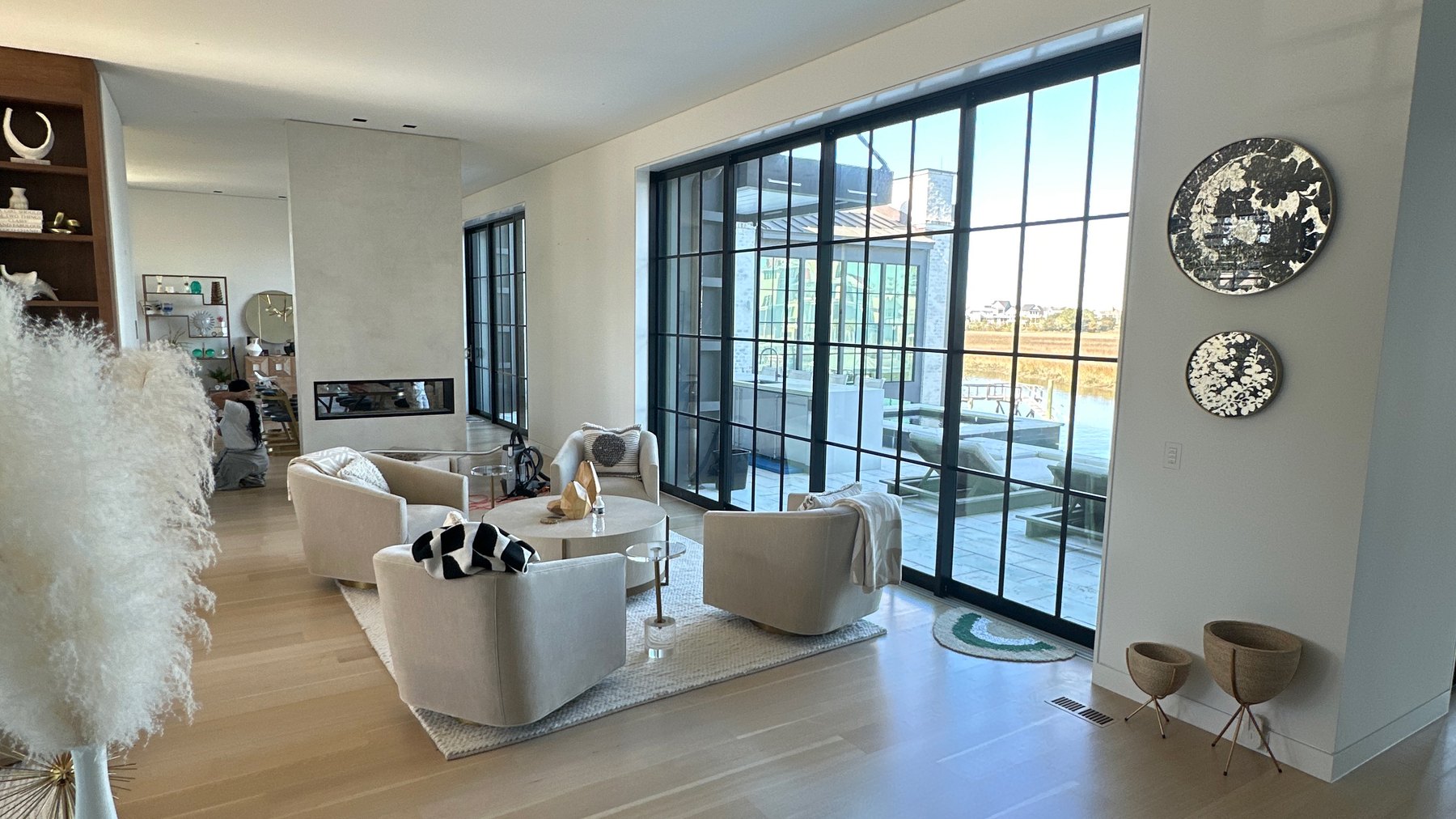
A wall color sits alongside the ceiling, doors, baseboards and window trim. Decide which of those surfaces you are keeping and which are part of the repaint. A change to one can make another look different even when its paint has not changed. If you want a subtle contrast, bring that goal to the consultation rather than trying to express it only as a list of color codes.
Test your shortlist in the room
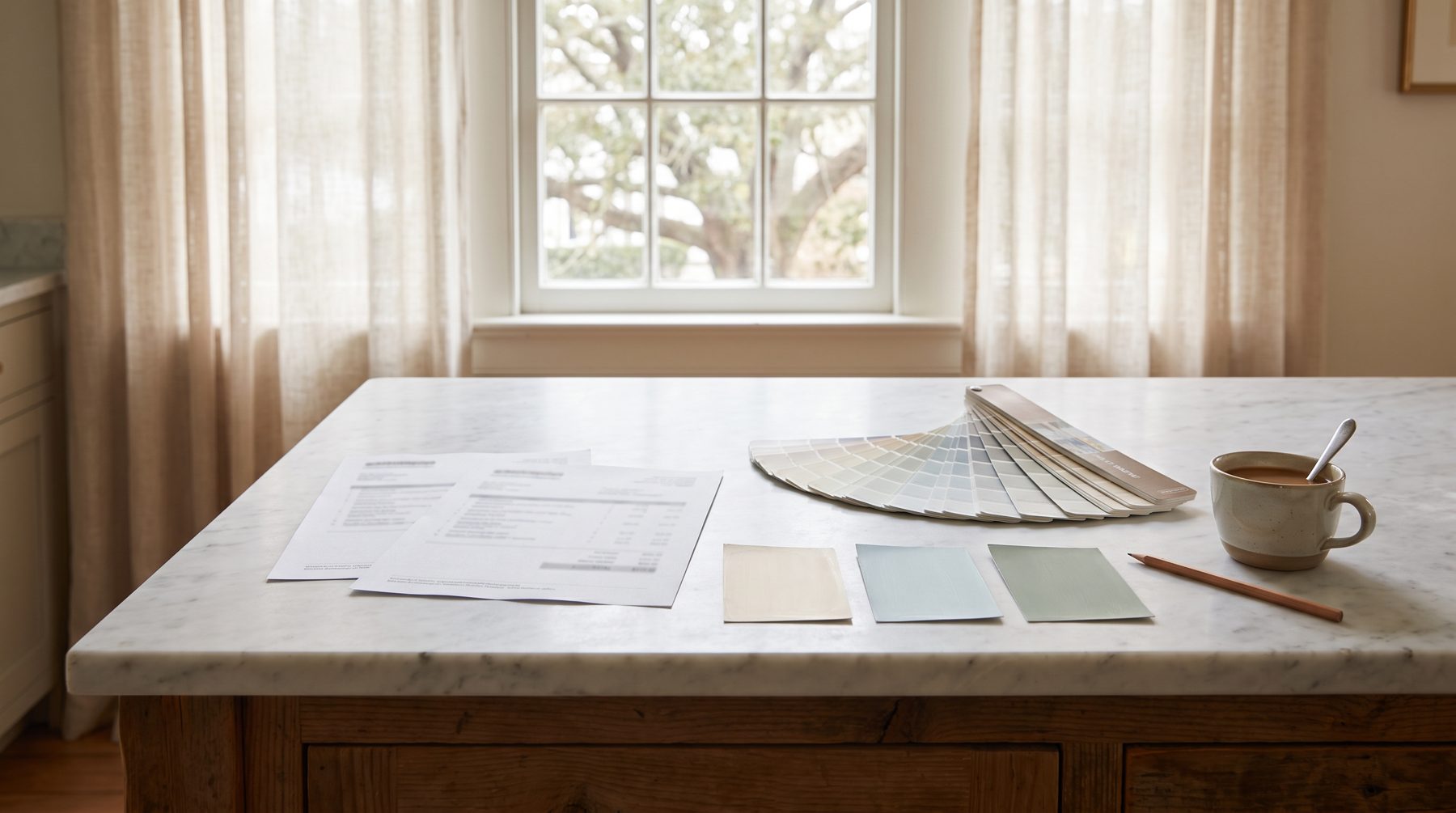
Reduce the options to a few candidates and view appropriate physical samples in the actual space. Check them in daylight and with the lights you normally use at night. Look beside flooring, stone, cabinetry and fabrics that are staying. Move around the room rather than judging from one photograph. Screens and photographs are useful for inspiration; they cannot reliably show the complete effect of the light and finish in your home.
Put the final choices into the estimate
Record the surface, color name or code, product and sheen. Ask how any repairs or stains are being addressed and whether sample work is part of the agreed scope. If different rooms have different finishes, list those decisions separately. This is also the moment to discuss furniture, access and the order of rooms so that the plan is practical for the people living there.
Keep a finish record for later
Save the final selections after the project, including the product rather than just the color. Ask when the coating can be cleaned and what care guidance applies. If you later need a touch-up, that record gives you and the painter a better starting point. It will not guarantee an invisible match after years of wear, but it avoids having to reconstruct every choice from memory.
Planning checklist
- What matters most: appearance, cleaning or both?
- Which surfaces are staying and which are changing?
- Have I checked samples in daylight and evening light?
- Is each product, color and sheen recorded?
Further reading
Manufacturer guidance used for this guide: Benjamin Moore: choosing a paint finish. Product instructions and the actual surface control the work; this guide is planning advice, not a specification.
01 / Keep reading
More from the notebook.
Guides and posts written for Lowcountry homeowners before they pick up a chip.

02 / Your next chapter
Tell us about the house.
A conversation, a free onsite estimate and a scope in writing. No pressure to decide on the spot.
843.998.1649 info@palmettopaintingcontractors.com